X

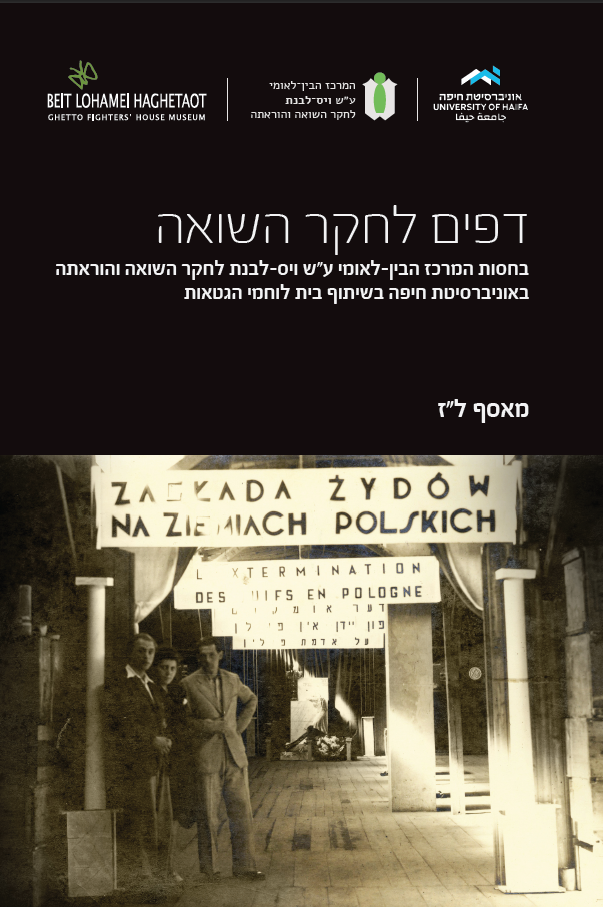
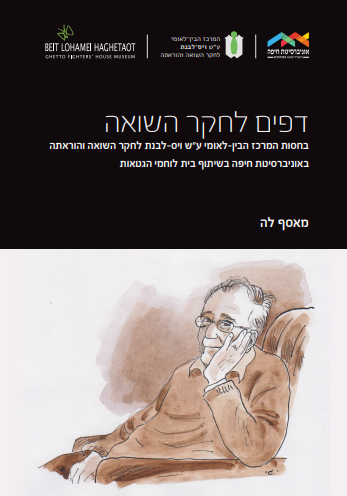
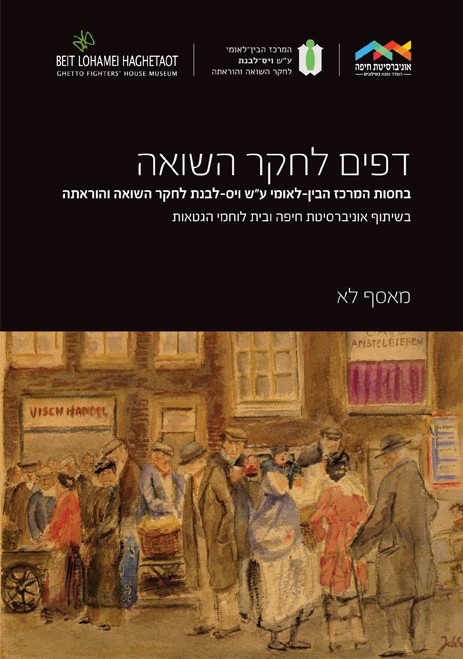
מאסף לה (2022): גליון מיוחד לרגל יום הולדתו ה-95 של פרופ' יהודה באואר


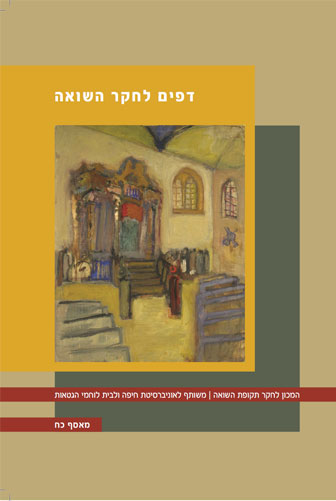
cover

דבר העורכים

 מיכל אהרוני - מבוא

יהודה באואר כמורה ומנטור

דליה עופר - הרהורים על דרך אקדמית ההשראה של מורה ומנטור

דוד זילברקלנג - להתבונן בשואה בגובה העיניים: כמה לקחים מהחוקר והמורה הדגול

דינה פורת ומרק ויצמן - יהודה באואר והברית הבין־לאומית לשימור זכר השואה

סוגיות תאורטיות

כריסטופר בראונינג - יהודה באואר, המושגים "השואה" ו"ג'נוסייד" וסוגיית הקולוניאליזם ההתיישבותי

שאול פרידלנדר - פשע יסודי

אלווין ה' רוזנפלד - האם שונאי יהודים הם "אנטי־שמים" או "אנטישמים"? מוגש בהוקרה ליהודה באואר

חוי דרייפוס - המשגת התגובה היהודית: בין עמידה להתנגדות

דיונים היסטוריוגרפיים

דן מכמן - סולידריות, תקווה והתמודדות עם אלוהים: ההיבט של רצון החיים של העם היהודי בעת החדשה כתמה מרכזית בהיסטוריוגרפיה של יהודה באואר

רוברט רוזט - מידע על השואה בהונגריה לפני הכיבוש הגרמני: עיון מחודש

?מיכאל ברנבאום - כיצד העריך יהודה באואר את תגובות ממשלת ארצות הברית ויהדות ארצות הברית בזמן השואה

עֹמר ברטוב - חייה ומותה של העיירה

יאן גרבובסקי - אומדני האבדות בקרב יהודים פולנים מסתתרים, 1942–1945: עיון מחודש בתובנות של יהודה באואר


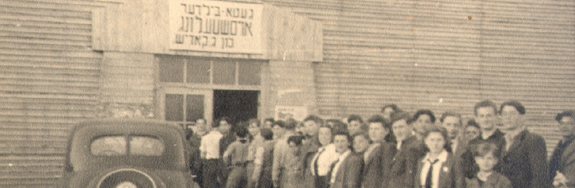
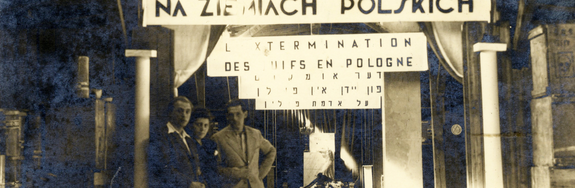
מארכיון בית לוחמי הגטאות

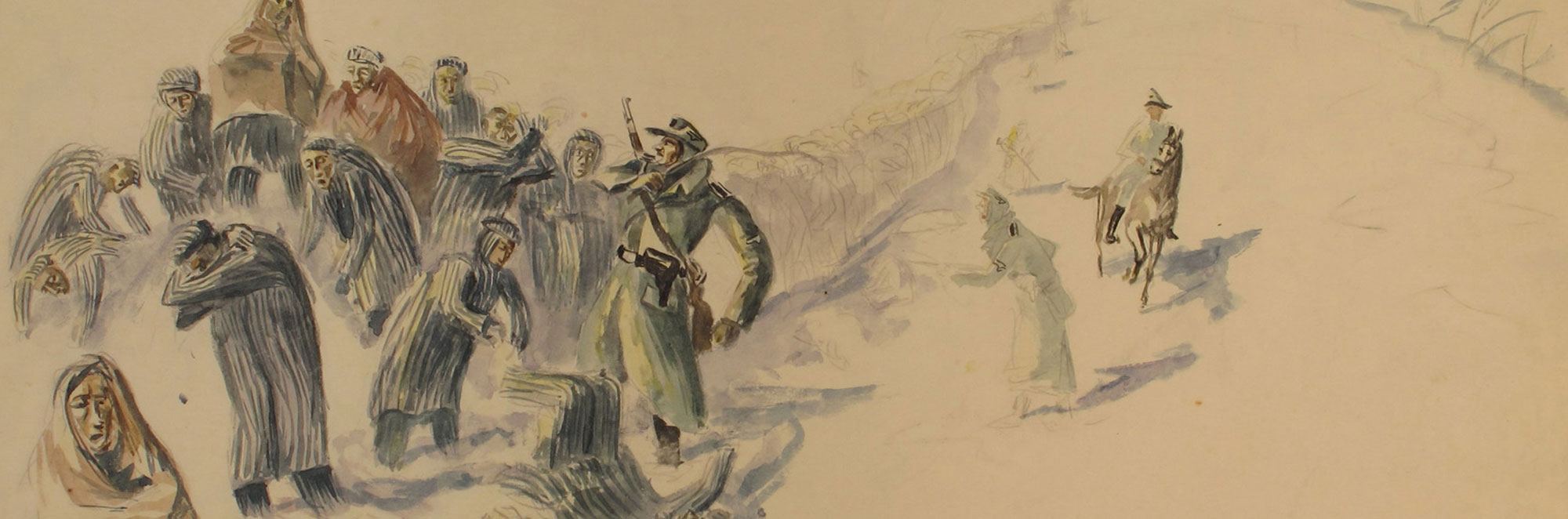
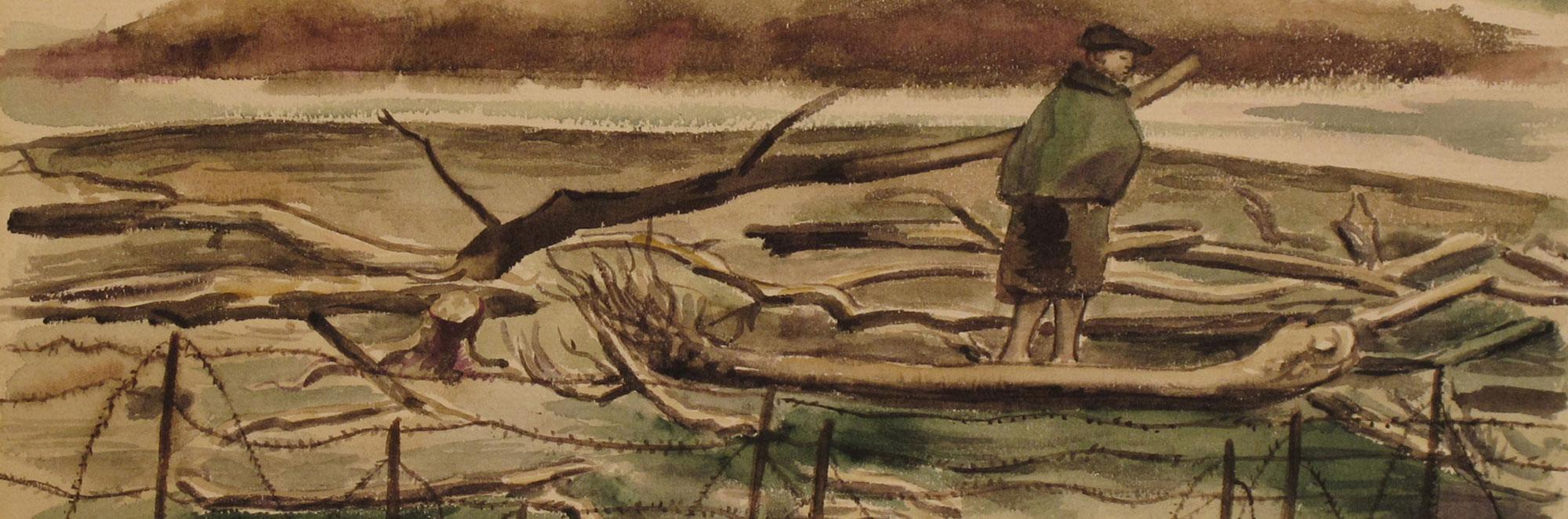
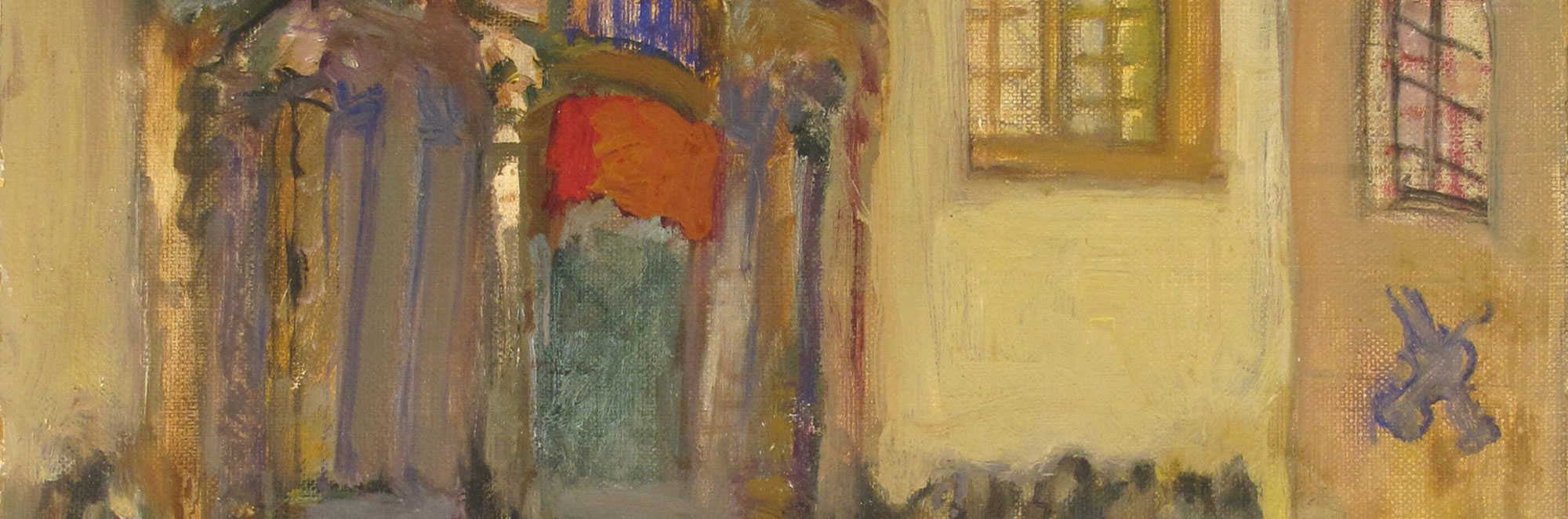
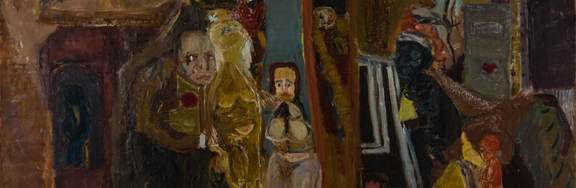
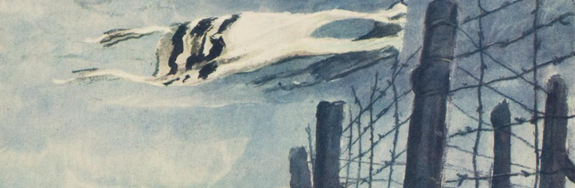
יסמין רון - סדנת האמנים במחנה מכלן (מאלין) כפי שהיא משתקפת בעבודות האמנים אסירי המחנה


ביוגרפיות של המחברים ותקצירי המאמרים


The Journal of Holocaust Research is pleased to announce a Call For Papers for an upcoming Special Issue: 

Transformations of Holocaust Memory in Light of Contemporary European Anxieties 

Posted 03 February 2022

 Click here to view/download this Call for Papers as PDF


Guest Editors: Dr. Nurit Novis-Deutsch and Dr. Tracy Adams

Assistant Editor: Prof. Gavriel D. Rosenfeld 


The Journal of Holocaust Research is pleased to announce a Call for Papers for an upcoming special issue: The Transformation of Holocaust Memory in the Age of European Anxiety.

The issue will focus on the various shifts that have taken place in Holocaust memory in Europe in recent years. Europe is experiencing an age of anxiety, related to waves of immigration and refugees, economic uncertainty, climate change, and the Covid-19 pandemic. These and other anxieties have been manifested in anti-immigration sentiment, surging rightwing nationalism, and increased tensions between ethnic and religious groups. This special issue will examine how such trends are shaping, and at times distorting, Holocaust memory.

We invite papers analyzing the causes, expressions, and implications of this mnemonic development. Papers can focus on memory expressions in various domains, including the individual, the public-political, the educational, the cultural, digital or social media, and other sites of memory. We encourage empirical studies of quantitative, qualitative, or mixed methodology, but will also consider theoretical and philosophically-oriented analyses.

The Journal of Holocaust Research invites scholars in various disciplines (including Holocaust studies, history, memory studies, political science, social psychology, sociology and media studies) to submit proposals offering innovative perspectives on topics that include:

  • Holocaust memory in contemporary trans-European, East/West blocs, or specific national contexts.
  • Transformations in teaching and learning about the Holocaust in European educational systems.
  • Shifts in Holocaust representations in traditional, digital and social media.
  • The relation between referencing the Holocaust and current events such as immigration, refugees, the EU, the Covid-19 pandemic and rise of alt-right movements.
  • Antisemitism and Holocaust memory in Europe today
  • National Holocaust memory in the 2020's in relation to perceived or historical roles that European countries played in the Holocaust (e.g. perpetrator, bystander).
  • Changes to Holocaust representations in museums and memorial sites as reflection of shifts in European or national Zeitgeists.

We also welcome proposals on other topics.


Submissions should not exceed 7000 words (including footnotes) and should be formatted according to the Journal's style guidelines, which can be found here.

All submissions will be peer-reviewed.

The special issue is due to be published during 2023.


Deadline:

The deadline to submit proposals is April 20, 2022. Titles and abstracts (450 words max.) and a short bio (200 words) should be submitted in Word format to: jhr@univ.haifa.ac.il (final paper submission date TBD)


 For more information on the Journal of Holocaust Research, check our website: https://www.tandfonline.com/toc/rdap21/current

Rivka BrotThe 2016 award for excellence in the field of Holocaust Studies has been bestowed upon Dr. Rivka Brot. Her work was chosen from a pool of over 30 articles submitted to Dapim in 2016. Using records in Yiddish, German, and English, many of them revealed for the first time, Dr. Brot’s innovative article analyzes and sheds light on a significant subject that has been studied very little to date. For more information please click here.

To read the article click here

The Journal of Holocaust Research invites scholars from all disciplines to submit manuscripts for editorial consideration. The Journal of Holocaust Research publishes original scholarly articles on all aspects of the Holocaust, including relevant facets of World War II and its aftermath, contemporary issues related to the survivors, collective memory of the Holocaust, antisemitism, and the relations of Jews and various minority groups in different countries in the past and today.
Articles may be submitted to The Journal of Holocaust Research in English or Hebrew only. If accepted for publication, they will be translated into the corresponding language, Hebrew or English, under our auspices. Submissions should be original contributions and may not be under simultaneous consideration for other publications, nor should manuscripts have been published elsewhere in substantially similar form or with substantially similar content.

To be accepted for publication, articles must pass a double-blind peer review process by at least two experts in the field.

All submissions should follow The Journal of Holocaust Research’s Style Sheet for Authors and should be between 7,000 and 10,000 words (including footnotes).

Submissions must be accompanied by an abstract of no more than 300 words that relates the main arguments and conclusions of the article.

Manuscripts should be compiled in the following order: title page; abstract; keywords; main text; acknowledgements; references; appendices (as appropriate); table(s) with caption(s) (on individual pages); figure caption(s) (as a list).

Submissions should also include, on a separate page, details of the author’s institutional affiliation, full address, and other contact information.

All identifying information should be removed from the manuscript. Manuscripts that do not meet the submission standards will not be considered.

Authors should submit their manuscripts as e-mail attachments (in Microsoft Word format) to jhr@univ.haifa.ac.il

For further information visit the Taylor & Francis website


Editors:

Michal Aharony

Stefan Ihrig

Gavriel Rosenfeld 


Editorial Board: 

Arieh J. Kochavi (Chair) 

Ilya Altman

Doris Bergen

Alina Bothe

Hasia Diner

Barbara Engelking

Yoav Gelber

Simone Gigliotti

Amos Goldberg

Atina Grossman

Suzanne Heim

Thomas Kuehne

Daniel Magilow

Michael Meng

Joanna Michlic

Kitty Millet

Bill Niven

Amit Pinchevski

Dieter Pohl

Renee Poznanski

Mark Roseman

Alvin Rosenfeld

Dan Stone

Janet Ward

Hanna Yablonka


Managing Editor: Yoav Yaron 


The Institute for Holocaust Research, at the University of Haifa and our publisher Taylor & Francis make every effort to ensure the accuracy of all the information (the "Content") contained in our publications. However, The Institute for Holocaust Research, at the University of Haifa and our publisher Taylor & Francis, our agents, and our licensors make no representations or warranties whatsoever as to the accuracy, completeness, or suitability for any purpose of the Content. Any opinions and views expressed in this publication are the opinions and views of the authors, and are not the views of or endorsed by The Institute for Holocaust Research, at the University of Haifa and our publisher Taylor & Francis. The accuracy of the Content should not be relied upon and should be independently verified with primary sources of information. The Institute for Holocaust Research, at the University of Haifa and our publisher Taylor & Francis shall not be liable for any losses, actions, claims, proceedings, demands, costs, expenses, damages, and other liabilities whatsoever or howsoever caused arising directly or indirectly in connection with, in relation to, or arising out of the use of the Content. Terms & Conditions of access and use can be found at http://www.tandfonline.com/page/terms-and-conditions .

Aims and scope

Dapim is an inter-disciplinary journal, which promotes the study of the Holocaust, its origins and aftermath. 
Dapim is published triannually through the joint cooperation of the Strochlitz Institute of Holocaust Research, the Ghetto Fighters’ House Museum and Taylor & Francis Group. 
This multilayered approach to Holocaust Studies helps Dapim to publish a diverse series of articles, which altogether provide a more in-depth approach to Holocaust Studies.  Dapim's presence in the field of Holocaust Studies helps to foster dialogue across various disciplines to enrich research of the Holocaust.

We welcome articles using different approaches and methodologies on all aspects of Holocaust Research, including:

• Nazi policies against the Jews and other racial and genocidal programs 
• Jewish responses to Nazism 
• Nazi propaganda 
• Ghettos and camps 
• European collaboration 
• War crimes trials 
• Survivor testimony 
• Commemoration and museology 
• World War II and its aftermath 
• Holocaust literature, drama, film, and art

Intended for a diverse academic audience, Dapim publishes a wealth of articles, research-forums and special-issues that connect scholars from around the world in meaningful discourse about the Holocaust.

Please publish modules in offcanvas position.